 EN
EN

BIPV
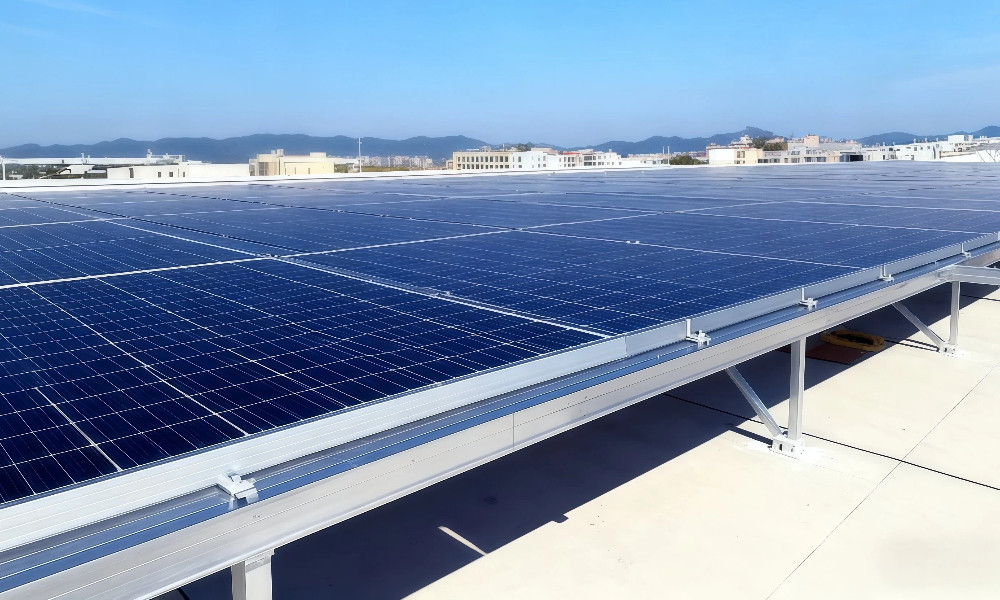
Focuses on solar energy’s application in public utility and infrastructure scenarios, with "scenario-adaptable, independent, and low-carbon" as the core positioning. It mainly covers three practical scenarios: Container, Charging Pile, and Street Light, providing reliable energy support for public services and infrastructure operations.
Core Application Scenarios & Practical Cases
Container Scenarios
Practical Case: In remote construction sites or disaster relief areas, solar-powered containers supply 24/7 electricity for internal lighting, communication equipment, and small appliances—no need for grid connection, solving the problem of difficult power access in off-grid areas.
Charging Pile Scenarios
Practical Case: In residential communities or commercial parking lots, solar-powered charging piles use stored solar energy to charge EVs. During peak grid hours, they rely on self-generated solar power to avoid grid load pressure, and excess power can be fed back to the grid for additional benefits.
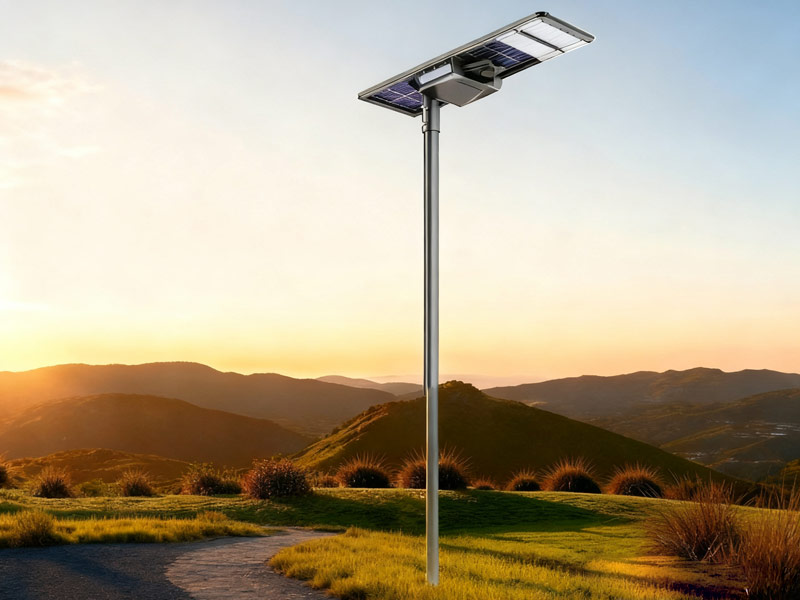
Street Light Scenarios
These solutions effectively fill the energy gap in public utility scenarios, promoting the popularization of low-carbon infrastructure.
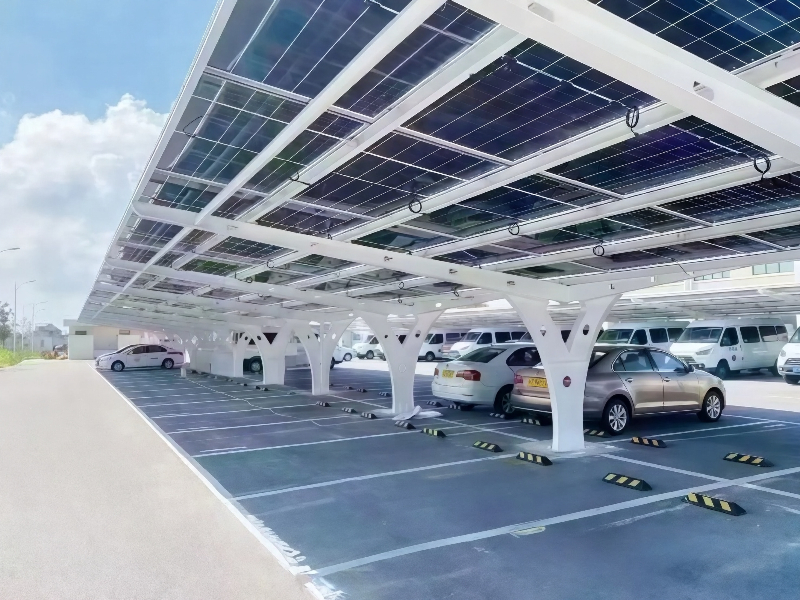
- Bilateral Solar Powered Carport System
- Add To Inquiry

- Micro Grid Design
- Add To Inquiry
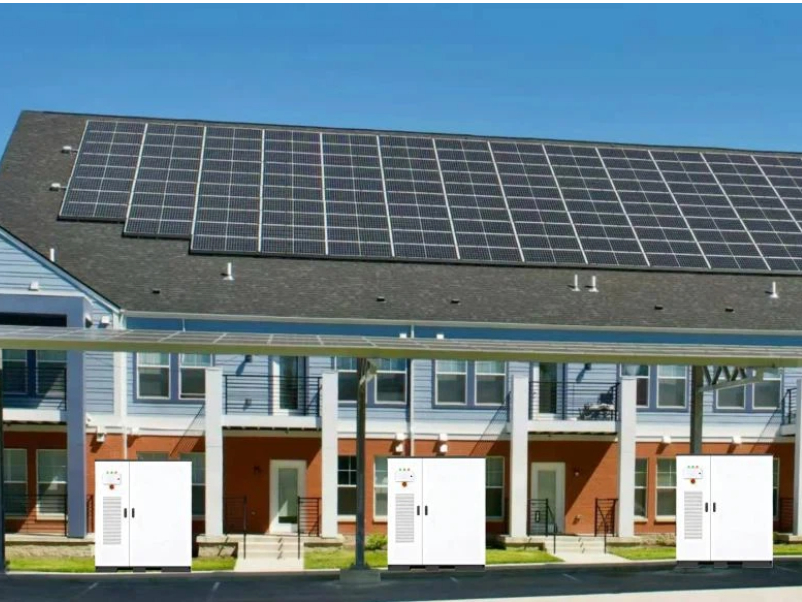
- PV Plant Design
- Add To Inquiry
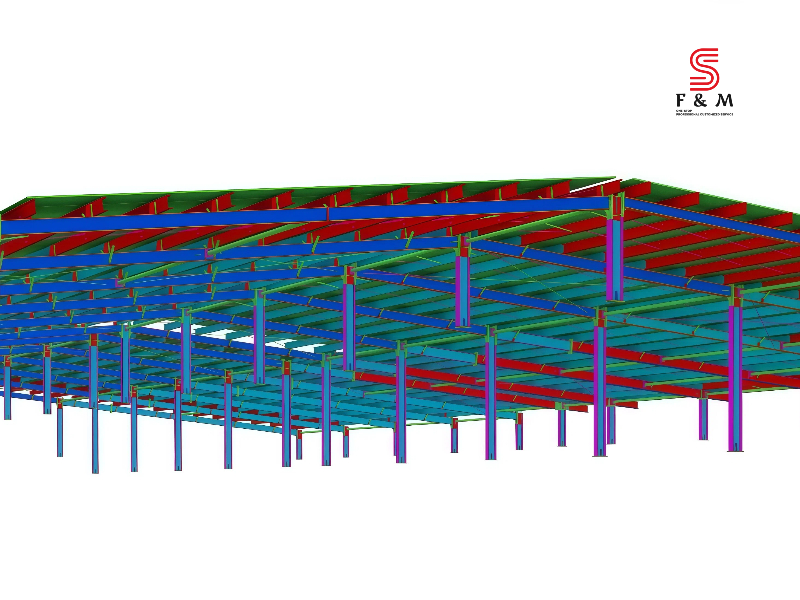
- Architectural Design
- Add To Inquiry
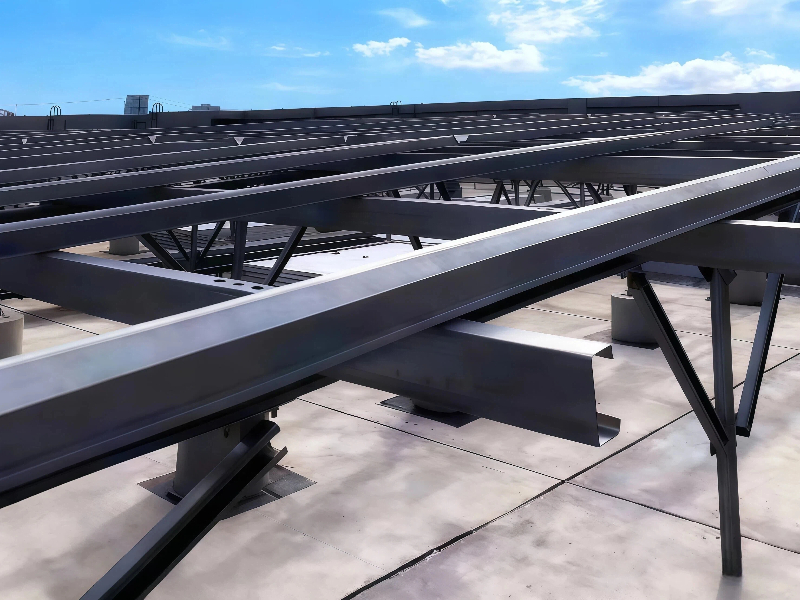
- Solar Mounting Support
- Add To Inquiry
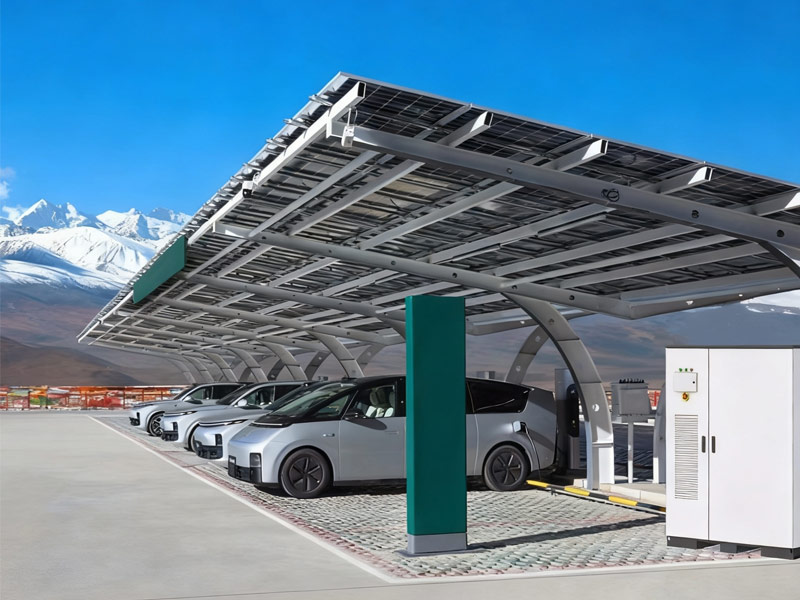
- Single-sided Solar Powered Carport System
- Add To Inquiry
Subscribe for our latest Updates
Stay up to date with the latest news, announcement and articles.
- Contact Us
- 1202,NO.20 Ninghai Yili,Jimei District,Xiamen,China
- +86 18059282679
- [email protected]
- +86 19179936970
- About us
- About Us
- Privacy Policy
- [email protected]
- +86 18059282679
- +86 18059282679